
Choosing where to stay in Vancouver can shape your whole trip. Visitors often focus on central hotels, but many parts of the city offer more comfort, more space, and a stronger local feel. This is especially true for travellers who appreciate rooms with room to breathe, neighbourhood character, and easy access to everyday life.
This guide explains where to stay in Vancouver for comfort, space and a local feel. It highlights neighbourhoods that feel lived in rather than tourist centric. You will find helpful detail on comfort focused accommodation, practical transport notes, and local tips so you can feel confident choosing the right place for your visit.
What “Comfort, Space and a Local Feel” Means in Vancouver
Comfort
In Vancouver, comfort often involves:
-
Larger rooms or suites
-
Quiet surroundings
-
Easy access to parks or waterfront
-
Thoughtful amenities such as seating areas or balconies
Comfort is not only about luxury. It is about space to relax after exploring the city.
Space
Space means room beyond the bed. Many visitors appreciate:
-
Living or lounge areas
-
Kitchenettes or full kitchens
-
Separate sleeping zones
-
Outdoor spaces like patios or gardens
This guide prioritizes accommodation that feels more like a home base than a tight hotel room.
Local Feel
A local feel comes from staying in neighbourhoods where residents live and work. Locals choose to stay where:
-
Cafés and shops are within walking distance
-
Streets feel calm and safe
-
Daily routines of a city are visible
-
Public transit is accessible
Instead of living in an isolated tourism zone, you will be surrounded by real community life.
Downtown Vancouver With a Calm Vibe
Why Choose Downtown for Comfort
Downtown Vancouver is compact and well connected. Staying here gives you a central base with easy access to many of the city’s highlights. Yet within downtown there are quieter pockets that feel more residential and calm.
Areas With a Local Feel
Coal Harbour
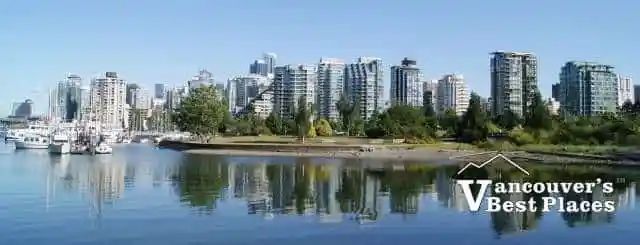
Coal Harbour sits on the water but feels reserved and quiet compared to busier waterfront zones. It is home to residents who enjoy morning walks along the seawall and easy access to Stanley Park.
Local feel qualities:
-
Waterfront walking paths
-
Gallery spaces and local coffee shops
-
Easy transit but fewer tour groups
This area works well for those who want proximity to the water and space without the noise of busier streets.
West End
The West End blends downtown convenience with residential calm. It sits beside Stanley Park and offers tree lined streets, neighbourhood cafés and a slower pace.
What locals appreciate here:
-
Independent cafés and bakeries
-
Quiet residential streets near the park
-
Easy walking routes to beaches
Accommodations here often include apartment style rentals that provide more room to relax.
Accommodation Types in Downtown Areas
Options that focus on comfort and space include:
-
Suites with separate living areas
-
Apartments with kitchens
-
Rooms overlooking quieter streets instead of busy roads
Booking slightly off major avenues increases calm and encourages a local rhythm.
False Creek and Granville Island Neighbourhoods
Why This Area Works
False Creek sits between downtown and neighbourhoods like Mount Pleasant. It is a water oriented area with boardwalks, parks and calm streets. Granville Island, a short stroll or water taxi away, feels like a small village within the city.
Local feel highlights:
-
Daily community markets
-
Quiet waterfront views
-
Proximity to walking and cycling paths
This area blends easy access to activities with a sense of everyday life that visitors often enjoy.
Neighbourhood Character
Yaletown
Yaletown has a reputation for restaurants and nightlife, but it also offers quiet residential streets just a few blocks from the action. Its industrial history gives the area character.
What to expect:
-
Converted loft style accommodation
-
Tree lined residential blocks
-
Independent cafés for morning coffee
Staying here means being close to downtown without living on its busiest blocks.
Granville Island Rentals
Staying near Granville Island provides a village atmosphere and easy waterfront access.
Locals value:
-
Local artisans and food vendors
-
Quiet side streets
-
Views of boats and water activity
This is a good choice if you want space and comfort near a creative hub.
Mount Pleasant and Main Street for Local Life
A Community First Neighbourhood
Mount Pleasant and the adjacent Main Street corridor are among Vancouver’s most neighbourhood oriented areas. Residents here shop locally, walk frequently, and treat day to day life as part of how they experience the city.
Local feel features:
-
Independent bookshops and galleries
-
Local cafés and bakeries
-
Community parks and green space
This area feels less like a tourist destination and more like a place where people live their daily routines.
Accommodation Style Here
These neighbourhoods tend to offer:
-
Apartment rentals
-
Guesthouses
-
Boutique hotels with larger rooms
Many options include kitchenettes or full kitchens, making them ideal for travellers who value space and a relaxed routine.
Transit and Access
While not as centrally located as downtown, Mount Pleasant and Main Street remain well served by transit. Buses and the Canada Line make it easy to travel into central areas when you want to.
Kitsilano and the West Side for Easygoing Comfort
A Relaxed Residential Area
The west side of Vancouver, including Kitsilano and Point Grey, feels distinct from the downtown energy. Locals here enjoy proximity to beaches, parks and neighbourhood shops.
Why it appeals:
-
Quiet, tree lined streets
-
Casual restaurants and cafés
-
Proximity to beaches and parks
This area works well for visitors who want calm mornings and scenic walks without relying on transit for short trips.
Accommodation Types
In Kitsilano and nearby areas you will find:
-
Spacious apartments
-
Homes with outdoor patios
-
Boutique lodgings with living areas
Properties here often feel larger and more comfortable than typical downtown hotel rooms.
North Vancouver for Nature Focused Comfort
A Gateway to Mountains and Forest
North Vancouver sits across the water from downtown but feels much more rooted in nature. Residents here enjoy walking trails, forested parks and mountain views as part of daily life.
Local features:
-
Easy access to hiking trails
-
Waterfront parks and walkways
-
Quiet residential streets
This is a great choice if your idea of comfort includes room to breathe and nature right outside your door.
Accommodation Insights
Options tend to include:
-
Larger apartments
-
Suites with views of water or mountains
-
Condo rentals with multiple bedrooms
Traveling to central Vancouver is easy by SeaBus, which offers scenic water crossing without a car.
Richmond and Steveston for Quiet Comfort
A Distinctly Local Zone
Richmond and Steveston lie to the south of Vancouver proper. While not inside the city limits, these areas are part of the broader metropolitan region and reflect everyday life for many locals.
Why locals enjoy staying here:
-
Quiet, neighbourhood oriented streets
-
Family run cafés and restaurants
-
Waterfront paths and parks
Steveston feels like a fishing village, while central Richmond offers residential calm with easy access to transit.
Accommodation Types
Common options include:
-
Family friendly suites
-
Larger apartments with living areas
-
Places with parking and outdoor space
These areas work best if you have a car or are comfortable using public transit.
Practical Tips for Choosing Where to Stay in Vancouver
Think About How You Move Around
Vancouver’s public transit includes SkyTrain, buses and SeaBus. Staying near a transit station increases your flexibility without needing a car.
Helpful points:
-
Choose properties near transit lines
-
Check walking distance to local shops
-
Consider SeaBus access for views and easy downtown travel
Comfort includes not having to struggle with transport.
Plan for Weather and Seasons
Weather affects how you experience neighbourhoods. During rainier months, proximity to indoor spaces and cafés becomes more important.
Local tips include:
-
Staying near covered transit access
-
Choosing neighbourhoods with indoor amenities
-
Prioritizing cafés and shops within walking distance
This helps maintain comfort even when the weather feels grey.
Balance Comfort With Neighbourhood Character
Large hotels in central areas often feel impersonal. Neighbourhood stays tend to offer:
-
Personal touches in décor
-
Quieter surroundings
-
Unique local character
These elements contribute to comfort and help you feel part of the city, not outside it.
What to Look for in Your Accommodation
Space Features
For comfort and space consider:
-
Suites with separate living and sleeping areas
-
Kitchens or kitchenettes
-
Balconies or outdoor seating options
-
Laundry facilities
These features make longer stays feel more like living than visiting.
Local Feel Indicators
Ask whether the property is:
-
In a primarily residential area
-
Close to neighbourhood cafés and shops
-
Away from major tourist thoroughfares
-
Within easy walking distance of transit
These elements help you live like a local, even for a short stay.
Seasonal Considerations
Spring and Summer
During warmer months, neighbourhoods with outdoor spaces shine. Look for:
-
Places near parks and beaches
-
Accommodations with patios or terraces
-
Areas with outdoor markets
These add comfort and room to relax outside.
Fall and Winter
When rain increases, comfort shifts indoors. Prioritize:
-
Proximity to cafés and indoor attractions
-
Covered transit access
-
Larger indoor spaces
City life does not stop in wet weather, but planning helps you stay comfortable.
Conclusion
Deciding where to stay in Vancouver for comfort, space and a local feel means looking beyond the busiest streets and choosing neighbourhoods that reflect everyday life. Whether you prefer waterfront views, tree lined residential streets, calm communities or quick access to nature, Vancouver offers options that feel more like home than a temporary stop.
By prioritizing space, neighbourhood character and thoughtful transit access, your stay in Vancouver can feel relaxing, comfortable and grounded in real city life rather than a fleeting destination. With a bit of planning and a focus on local rhythms, you can experience the city in a calm and meaningful way no matter the season.