
Many travelers arrive in Vancouver with a list of famous sights and leave feeling they have only skimmed the surface. The city often reveals itself in quieter moments rather than headline attractions. Learning how to experience the wonderful Vancouver like a local means slowing down, noticing daily rhythms, and choosing places residents return to again and again.
This guide focuses on how locals actually spend their time. It covers neighbourhoods, food habits, seasonal routines, and practical ways to move through the city with ease. The goal is not to avoid well known places entirely, but to see Vancouver through a more grounded and authentic lens.
Understanding Vancouver’s Everyday Rhythm
Vancouver operates at a gentler pace than many major cities. Daily life is shaped by nature, weather, and neighbourhood routines rather than constant urgency.
Mornings Start Early
Locals tend to start their days early, especially on weekdays. Coffee shops open by 7 am and parks fill with dog walkers, joggers, and cyclists before the city feels fully awake. Morning is often the calmest time to explore.
Evenings Are Low Key
Late nights exist, but many residents prefer relaxed evenings. Restaurants fill earlier, especially midweek. After dinner, people often head home or take a short walk rather than staying out late.
Weekends Are for Resetting
Weekends are usually spent outdoors or close to home. Grocery shopping, neighbourhood strolls, and casual meetups are common. Planning a slower weekend helps you blend in rather than rush through attractions.
Choose Neighbourhoods Over Landmarks
One of the best ways to experience Vancouver like a local is to spend time in residential neighbourhoods instead of moving quickly between major attractions.
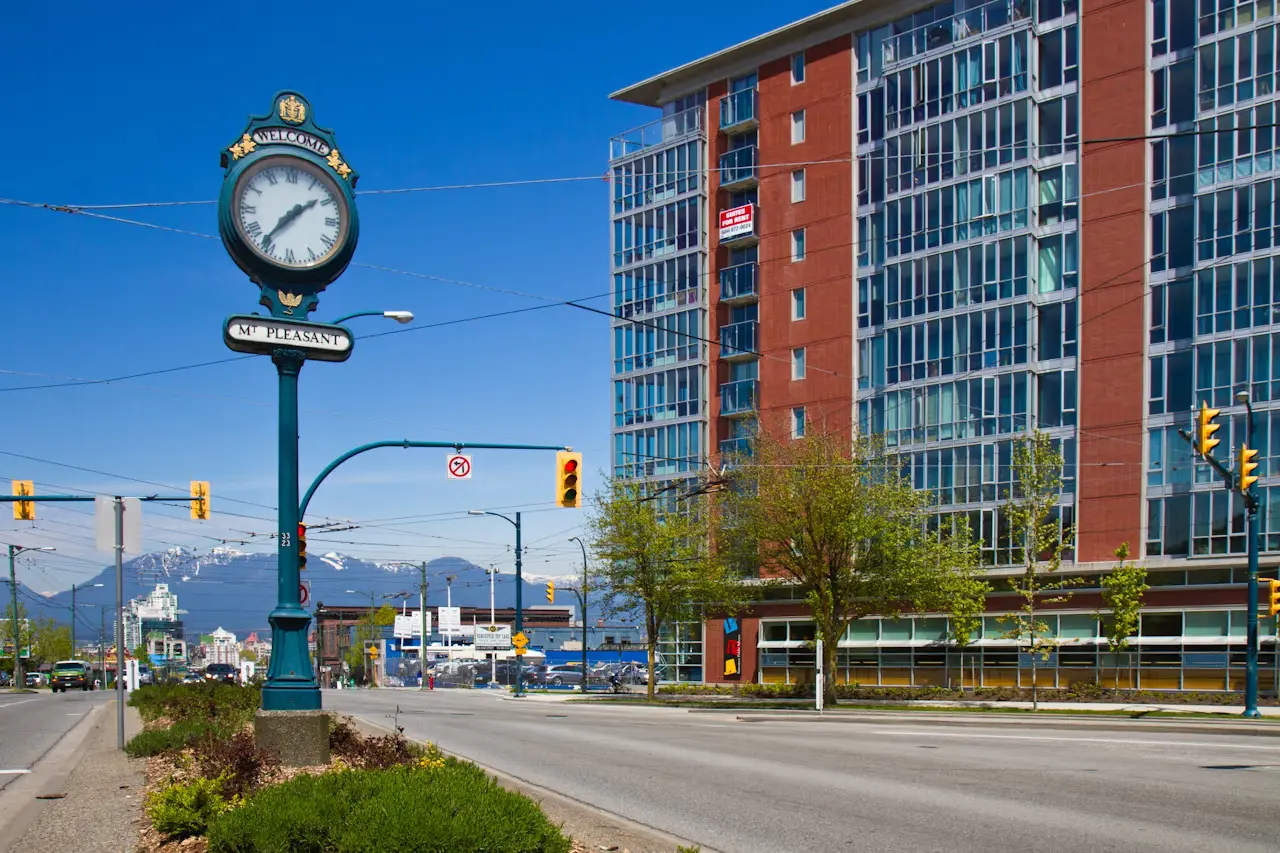
Mount Pleasant
Mount Pleasant feels lived in and creative. Locals come here for independent cafes, bakeries, and small parks. Main Street is ideal for wandering without a fixed plan.
What locals do here:
-
Sit with coffee and a book in the morning
-
Browse local shops in the afternoon
-
Eat early dinner at casual neighbourhood restaurants
Kitsilano
Kitsilano combines beach life with residential calm. It is popular with families, students, and long time residents.
Local habits:
-
Morning walks along the seawall
-
Afternoon grocery runs on West 4th Avenue
-
Sunset views from the beach rather than midday crowds
Commercial Drive
Often called The Drive, this area feels more community focused than polished. It reflects Vancouver’s multicultural roots.
How locals spend time here:
-
Long brunches on weekends
-
Evening walks after dinner
-
Coffee stops that double as social hubs
North Shore Neighbourhoods
If you cross the bridge, areas like Lower Lonsdale show another side of Vancouver life. It feels quieter, greener, and more residential.
Eat Where Locals Eat
Food in Vancouver is less about trend chasing and more about consistency. Locals return to places they trust.
Look for Unassuming Spots
Some of the best meals are found in small spaces with simple signage. If a place looks busy at lunchtime with workers and families, it is usually a good sign.
Embrace Everyday Dining
Locals often eat out casually rather than for special occasions only. Think noodle shops, bakeries, sushi counters, and small cafes.
Common local food routines:
-
Coffee and pastry in the morning
-
Quick lunch near work or home
-
Takeout dinners after busy days
Skip Peak Dining Times
To avoid crowds, eat slightly earlier or later. Many residents dine between 5 and 6:30 pm on weekdays.
Understand Vancouver’s Relationship With Nature
Nature is not a side activity in Vancouver. It is part of daily life.
Parks Are Used, Not Visited
Locals do not treat parks as destinations only. They walk through them, sit briefly, or pass time between errands.
Popular everyday park activities:
-
Short walks after dinner
-
Picnics without elaborate setups
-
Reading on benches or grass
Weather Does Not Stop Plans
Rain rarely cancels plans. People adjust clothing and continue with their routines. Experiencing Vancouver like a local means accepting light rain as normal.
Mountains Are Not Always a Day Trip
For residents, mountain views are part of the background. Some hike weekly, others simply enjoy the scenery during daily commutes.
Learn How Locals Move Around
Transportation choices shape how the city feels.
Walking Is Preferred
Many neighbourhoods are walkable. Locals often choose walking over short transit rides, especially in central areas.
Transit Is Practical
Buses and SkyTrain are commonly used. Locals plan routes efficiently rather than sightseeing on transit.
Driving Is Selective
Driving is often avoided for short trips due to traffic and parking challenges. When locals drive, it is usually for specific reasons rather than convenience.
Shop Like a Resident
Shopping locally helps you experience Vancouver’s everyday pace.
Grocery Stores Over Markets
While public markets are popular, locals often shop at regular grocery stores or small neighbourhood shops.
Independent Shops Matter
Local bookstores, bakeries, and plant shops are woven into daily routines. These spaces reflect community values more than large shopping centres.
Errands Are Combined
Locals often group errands into one walk rather than making multiple trips across the city.
Adjust Expectations Around Service and Space
Understanding local norms helps avoid small frustrations.
Service Is Friendly but Reserved
Staff are polite and helpful but not overly expressive. Conversations are respectful and calm.
Personal Space Is Valued
People line up patiently, keep distance on sidewalks, and avoid loud conversations in public spaces.
Tipping Is Standard
While not excessive, tipping is customary in restaurants and cafes.
Seasonal Habits That Shape Local Life
Each season affects how residents use the city.
Spring
Spring feels hopeful but unpredictable. Locals carry light jackets and enjoy quieter outdoor spaces before summer crowds.
Local spring activities:
-
Cherry blossom walks in neighbourhood parks
-
Early patio lunches on mild days
Summer
Summer is active but not rushed. Residents wake early to enjoy beaches and parks before crowds.
Local summer routines:
-
Morning swims or walks
-
Evening picnics rather than midday outings
Fall
Fall is reflective and comfortable. Locals return to routines after summer travel.
Fall habits:
-
Neighbourhood walks with coffee
-
Indoor dining and cultural events
Winter
Winter is calm rather than festive. Locals focus on home life, short walks, and cozy cafes.
Winter rhythms:
-
Short daylight outings
-
Casual meetups indoors
Observe Rather Than Rush
One of the most overlooked ways to experience Vancouver like a local is simply observing.
Sit and Watch
Locals spend time sitting in cafes, parks, or near the water without an agenda. This reveals the city’s true character.
Leave Space in Your Schedule
Unplanned time allows you to notice small moments. These often become the most memorable parts of a trip.
Accept Simplicity
Not every day needs a highlight. Vancouver life values balance and calm.
Conclusion
Experiencing Vancouver like a local is less about avoiding popular places and more about adjusting how you move through the city. By choosing neighbourhoods over checklists, embracing everyday food spots, and aligning with local rhythms, the city begins to feel more personal and welcoming.
Vancouver rewards those who slow down, notice the details, and accept its calm pace. When approached this way, the city offers a sense of belonging that stays with visitors long after they leave.