
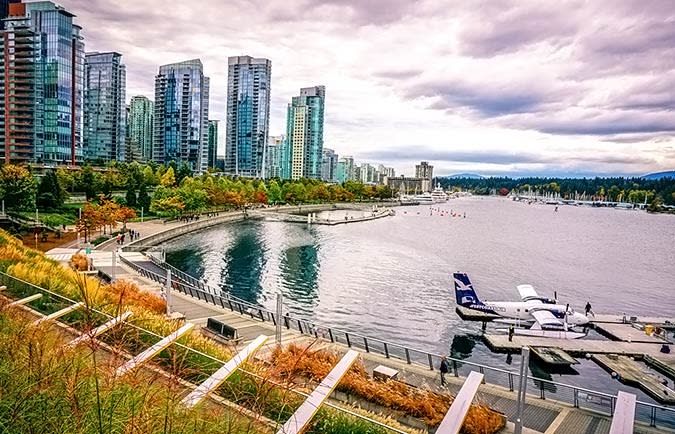
Choosing where to stay can shape an entire Vancouver trip. The city’s neighborhoods feel distinct, and location affects how easily you move around, what you see daily, and how local your experience feels.
This guide explores the best neighborhoods to stay in Vancouver, with a practical look at why location matters. It covers transit access, walkability, nearby attractions, and the overall atmosphere of each area. The goal is to help travelers choose a neighborhood that matches their travel style, pace, and priorities.
Why Location Matters in Vancouver
Vancouver is compact, but it is not uniform. Mountains, water, bridges, and transit zones influence how people get around.
A well chosen location can mean:
-
Shorter travel times between activities
-
Easier access to public transit
-
A balance between city energy and residential calm
-
More time exploring and less time commuting
Because Vancouver encourages walking, cycling, and transit use, neighborhood choice often matters more than hotel category.
Downtown Vancouver
Central and well connected
Downtown Vancouver is often the first choice for visitors, and for good reason. It sits between Burrard Inlet and False Creek, with easy access to many of the city’s major sights.
Why travelers stay here
-
Walking distance to restaurants, shops, and waterfront paths
-
Strong transit connections via SkyTrain, SeaBus, and buses
-
Close to business districts, cultural venues, and parks
Best for
-
First time visitors
-
Short stays with limited time
-
Travelers who prefer to explore on foot
Downtown can feel busy during peak seasons, but its convenience is unmatched for seeing a lot in a short time.
Yaletown
Modern and waterfront focused
Yaletown blends former warehouse history with modern residential towers. It sits along the seawall and offers a polished, relaxed atmosphere.
What makes it appealing
-
Direct access to the seawall for walking and cycling
-
Abundant cafes, restaurants, and grocery stores
-
Easy SkyTrain access via Yaletown Roundhouse Station
Best for
-
Couples and solo travelers
-
Longer stays that benefit from nearby amenities
-
Visitors who enjoy scenic walks near the water
Yaletown feels quieter than the downtown core at night while remaining central.
Gastown
Historic and character rich
Gastown is Vancouver’s oldest neighborhood, known for cobblestone streets, heritage buildings, and independent boutiques.
Key features
-
Strong sense of place and history
-
Close proximity to downtown attractions
-
Vibrant food and design scene
Best for
-
Travelers interested in local culture and architecture
-
Short stays focused on dining and walking exploration
-
Visitors who enjoy creative, urban neighborhoods
Some streets can feel lively late into the evening, so comfort levels with city energy matter here.
West End
Residential calm near nature
The West End sits beside Stanley Park and English Bay. It is one of Vancouver’s most walkable residential neighborhoods.
Why it works well
-
Tree lined streets and local cafes
-
Easy access to beaches and parks
-
Close to downtown without feeling commercial
Best for
-
Travelers seeking a quieter base
-
Longer stays and families
-
Visitors who enjoy morning walks near the water
The West End balances city access with a slower, neighborhood pace.
Kitsilano
Laid back and beach oriented
Kitsilano, often called Kits, reflects Vancouver’s outdoors focused lifestyle. It is known for beaches, yoga studios, and casual dining.
Neighborhood highlights
-
Kits Beach and waterfront paths
-
Independent shops and cafes along West 4th Avenue
-
Strong bus connections to downtown
Best for
-
Travelers who prioritize outdoor time
-
Families and longer visits
-
Visitors who enjoy a relaxed, local atmosphere
Kitsilano feels less tourist oriented and more residential, which appeals to travelers wanting a lived in experience.
Mount Pleasant
Creative and community focused
Mount Pleasant is a central neighborhood with a strong local identity. It is known for craft breweries, independent shops, and diverse dining.
What sets it apart
-
Central location between downtown and East Vancouver
-
Good transit access via SkyTrain and bus routes
-
Vibrant but not overly crowded
Best for
-
Repeat visitors
-
Travelers interested in food and arts scenes
-
Those wanting a balance of central access and local life
Mount Pleasant offers insight into everyday Vancouver beyond the postcard views.
Commercial Drive
Cultural and eclectic
Commercial Drive reflects Vancouver’s multicultural roots. It has long been a hub for independent businesses and community life.
Why people choose it
-
Diverse food options and local markets
-
Strong transit via SkyTrain and buses
-
Lively street life with a neighborhood feel
Best for
-
Travelers who value diversity and local culture
-
Budget conscious visitors
-
Longer stays with a focus on everyday experiences
It is slightly farther from major tourist attractions but offers a deeper local perspective.
Coal Harbour
Quiet and scenic
Coal Harbour sits along the northern edge of downtown, facing the mountains and Burrard Inlet.
Key advantages
-
Scenic waterfront walks
-
Proximity to Stanley Park
-
Calm atmosphere compared to central downtown
Best for
-
Travelers seeking tranquility
-
Morning walkers and runners
-
Visitors who prefer scenic surroundings
Coal Harbour feels polished and peaceful, especially outside peak hours.
Choosing the Right Neighborhood for Your Trip
Consider your travel priorities
Before deciding, it helps to reflect on:
-
How much walking versus transit you plan to do
-
Whether nightlife or quiet evenings matter more
-
If proximity to parks or beaches is important
Match location to trip length
-
Short stays benefit from central neighborhoods
-
Longer visits allow flexibility in more residential areas
-
Families often prefer quieter streets with green space nearby
There is no single best choice for everyone, only the best fit for your travel style.
Getting Around from Different Neighborhoods
Public transit coverage
Vancouver’s SkyTrain, buses, and SeaBus make most neighborhoods accessible without a car.
Central areas offer:
-
Faster connections
-
More frequent service
-
Easier transfers
Outer neighborhoods trade some convenience for a more local feel.
Walkability and cycling
Many of the best neighborhoods to stay in Vancouver score high for walkability. Dedicated bike lanes and seawall paths make cycling practical and enjoyable.
Seasonal Considerations
Summer stays
In warmer months, neighborhoods near water and parks feel especially appealing. Kitsilano, the West End, and Coal Harbour stand out.
Fall and winter stays
Central neighborhoods reduce travel time in rainy weather. Downtown, Yaletown, and Mount Pleasant offer easy indoor access and transit connections.
Spring transitions
Spring brings a mix of weather. Neighborhoods with cafes, shops, and parks allow flexibility on changing days.
Conclusion
Vancouver’s neighborhoods shape how a trip feels day to day. From waterfront walks to quiet residential streets, each area offers a different perspective on the city.
Understanding why location matters helps travelers choose wisely and travel more comfortably. The best neighborhoods to stay in Vancouver are those that align with personal pace, interests, and priorities. With thoughtful planning, any of these areas can serve as a welcoming and practical base for exploring the city.